// Career Guide
Type Rating Endorsements
What type ratings are, why they matter for your licence, and which types TRITECH is approved to train.
What type ratings are, why they matter for your licence, and which types TRITECH is approved to train.
A type rating is an endorsement entered directly on an Aircraft Maintenance Licence (AML) that authorises the licence holder to certify maintenance on a specific aircraft type. Under EASA Part-66, an AML issued in any category — A, B1, B2, or C — does not by itself permit the engineer to sign a Maintenance Release on any particular aircraft. The licence establishes the category of work the engineer is qualified to certify; the type rating specifies which aircraft that authority applies to.
Each type rating endorsement on an AML records the aircraft family, the engine variant or variants approved, and the licence category under which it was granted. For example, an engineer may hold a B1 type rating for the Airbus A318/A319/A320/A321 with CFM56 engines, and a separate B1/B2 type rating for the Boeing 737 NG with CFM56-7B engines. These are two distinct endorsements, each requiring its own approved training and documented experience. Multiple type ratings can be accumulated on a single AML throughout an engineer's career — each one extends the scope of the engineer's independent certifying authority.
Without an appropriate type rating endorsement, an engineer holding an otherwise valid AML cannot sign off any maintenance work on that aircraft type. The Maintenance Release — the legal document certifying that a maintenance task has been completed and the aircraft is fit for flight — is only valid when signed by an engineer whose licence carries both the correct category and the type rating for that specific aircraft. This is not an administrative convention: it is a fundamental requirement of the EASA regulatory framework that governs all commercial aviation maintenance in Europe.
The type rating system exists because modern commercial aircraft are enormously complex, and the systems knowledge required to maintain a widebody twin-aisle jet differs substantially from that needed for a light business aircraft — even if both are certificated in the same EASA category. Type-specific training ensures that the engineer certifying maintenance on a given aircraft has been assessed against a syllabus that covers the actual systems, procedures, and safety-critical characteristics of that type, not merely the general principles of the category.
The type rating is what makes the AML operational. An AML without any type rating endorsements confers formal regulatory status — the licence category exists and the engineer is recognised as having met the knowledge and experience requirements — but the engineer cannot exercise independent Maintenance Release authority on any specific aircraft until at least one type rating is endorsed. For engineers seeking employment in commercial airline or MRO maintenance, securing a commercially relevant type rating is not optional: it is the step that converts the licence into a working tool.
The process for adding a type rating endorsement to an AML follows a defined pathway under EASA Part-66 and Part-147. Three elements must be completed before the national aviation authority will add the endorsement to the licence:
Engineers who already hold a type rating on one variant within an aircraft family may be entitled to differences training rather than a full type rating course when seeking endorsement on a related variant. For example, an engineer with a B1 endorsement on the A320 with CFM56 engines who wishes to add the IAE V2500 engine variant may complete a differences course covering only the engine-specific systems, rather than repeating the full aircraft general content. TRITECH can advise on whether differences training applies to a candidate's specific situation.
Employer-sponsored versus self-funded type training. Many engineers complete type rating courses through their employer — typically when joining an airline or MRO that operates a specific fleet. However, engineers who hold a type rating before entering employment are in a demonstrably stronger position when competing for those roles: they arrive already qualified on the type, reducing the employer's training cost and time to productive deployment. TRITECH delivers type training on a self-funded basis as well as under contract arrangements with maintenance organisations, making it possible for engineers to secure a commercially valuable endorsement before applying for their first line maintenance role.
TRITECH holds Part-147 approval for type rating training on five commercial and business aviation types, covering the most prevalent aircraft in European airline and corporate aviation operations. The approved types span narrowbody commercial jets in the highest-demand categories through to widely operated business jets, enabling engineers to target the segments of the market that align with their career objectives.

The world's best-selling single-aisle commercial aircraft family, operated by hundreds of airlines globally. TRITECH is approved for theoretical and practical type training on both CFM56 and IAE V2500 engine variants, including difference training between engine types.
View Course →
The Boeing 737 Next Generation series remains one of the most widely operated narrowbody types in the world. TRITECH provides approved theoretical and practical type training for the full 737 NG series powered by CFM56 engines.
View Course →
The BAe 125 / Hawker series is a widely operated family of business jets used in corporate and charter aviation. TRITECH is approved to provide type training for the 750, 800XP, 850XP and 900XP variants.
View Course →
The Embraer EMB-135 and EMB-145 regional jets are operated by regional and charter carriers worldwide. TRITECH holds approval for theoretical and practical type training on both variants powered by Rolls-Royce AE3007A engines.
View Course →
The Embraer Legacy 450/500 series (EMB-545/550) is a widely operated midsize/large business jet family. TRITECH provides approved type training for both variants, powered by Honeywell AS907 engines.
View Course →
The Embraer Phenom 300 (EMB-505) is among the best-selling light business jets in the world. TRITECH is approved to deliver type training for the EMB-505, powered by Pratt & Whitney Canada PW535 engines.
View Course →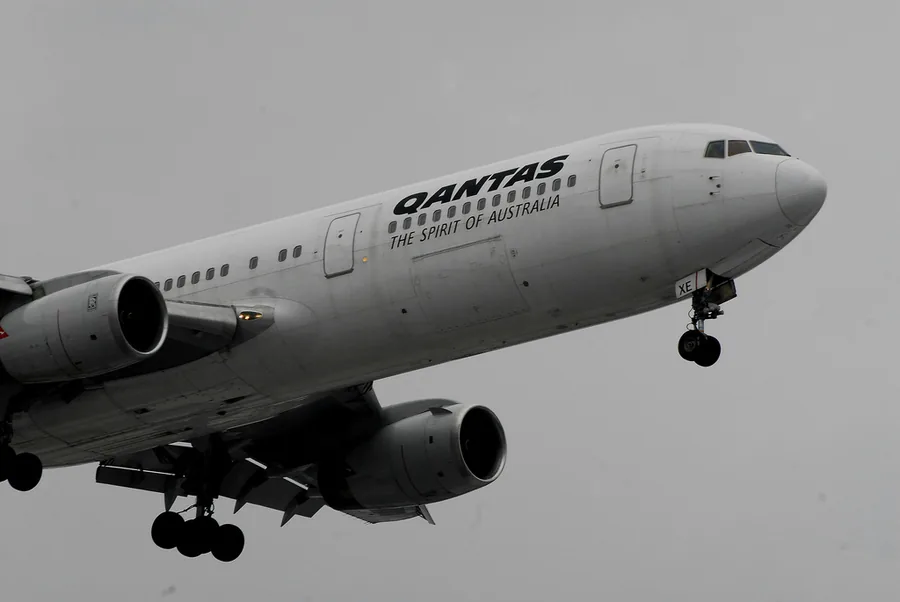
The Boeing 767 is a long-established widebody twinjet operated in both passenger and freight configurations. TRITECH is approved for theoretical and practical type training on the 767-200/300 series powered by Pratt & Whitney PW4000 engines, with difference training available to the GE CF6-powered 767-200/300/400 variants.
View Course →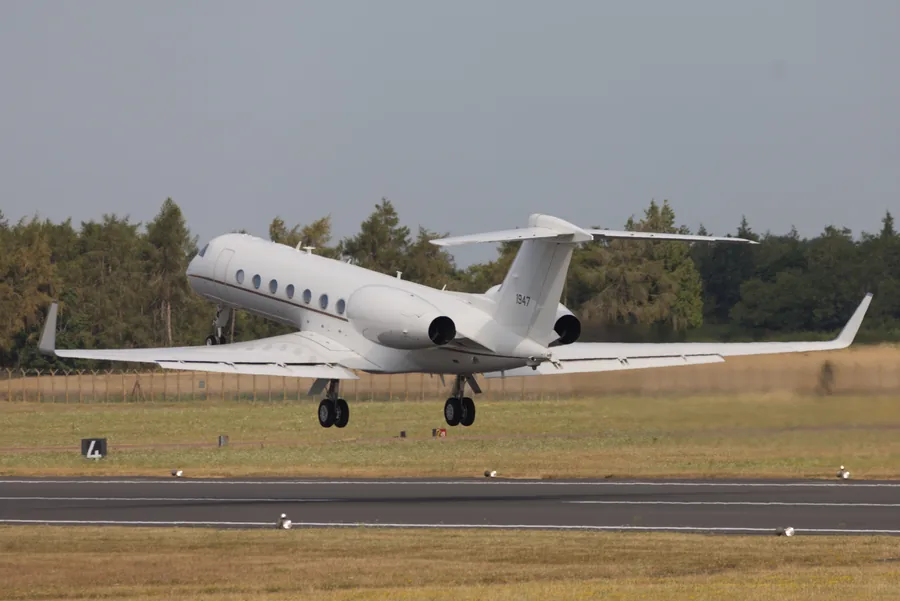
The Bombardier BD-700 (Global Express) series is a long-range business jet family widely used in corporate and VIP operations. TRITECH is approved to deliver theoretical and practical type training for the BD-700 series, powered by Rolls-Royce Deutschland BR700-710 engines.
View Course →
The Gulfstream GV-SP series (marketed as the G550) is a long-range, large-cabin business jet widely used in corporate and VIP operations. TRITECH is approved to deliver theoretical and practical type training for the GV-SP series, powered by Rolls-Royce Deutschland BR710 engines.
View Course →For engineers targeting commercial airline line maintenance in Europe, the Airbus A320 family and Boeing 737 NG represent the two highest-priority endorsements. These two types account for the majority of narrowbody commercial aircraft in operation across European carriers, and they are the types most frequently specified in B1 and B2 job advertisements published by European airlines and MROs. Securing a type rating on either — or both — of these types before entering the job market materially improves an engineer's competitive position and is likely to accelerate time to first employment as a certifying engineer.
For engineers with interests or existing connections in business aviation, the BAe 125 / Hawker series, EMB-135/145, and Phenom 300 type ratings open access to a different but equally active segment of the maintenance market: the corporate and charter operators, business aviation MROs, and handling companies that maintain these types at airfields across Europe and beyond. Demand for engineers with business jet type ratings is sustained by the continued growth of corporate aviation and the relatively smaller pool of endorsed engineers compared to commercial airline types.
Multiple type ratings multiply your options. There is no regulatory limit on the number of type ratings an engineer can hold. Many experienced engineers accumulate four, five, or more endorsements over the course of a career. Each additional type rating extends the range of aircraft an engineer can independently certify and, by extension, the range of employers who can deploy them productively. In a market where airlines and MROs operate mixed fleets, engineers who can cover more than one type on the same day in the same base are disproportionately valued. Building a portfolio of type ratings is one of the most reliable strategies for career progression and salary growth in the profession.
The practical effect of a type rating on an engineer's employment position is direct and significant. European commercial aviation maintains near-constant demand for B1 and B2 engineers endorsed on the major narrowbody types. Major low-cost operators — Ryanair, easyJet, Wizz Air, Vueling, and others — have for several years been competing for engineers with A320 family and B737 NG endorsements, frequently offering above-market starting packages to candidates who arrive already endorsed. The competition for these engineers intensified further as European fleets grew through the post-pandemic recovery period, and structural demand shows no sign of abating given continued fleet expansion by the major carriers.
An engineer who completes their AML with a commercially relevant type rating already endorsed — rather than starting without one and seeking employer-sponsored training after joining — enters the market in a substantially stronger position. They can apply for certifying engineer roles directly, rather than accepting extended periods in a supervised or limited-authority capacity while waiting for the employer to arrange type training. For many candidates, completing a self-funded type rating course at TRITECH before their first permanent role represents the most commercially sensible single investment they can make in their licence.
For engineers who have already been working in the industry under a B1 or B2 AML but without a type rating — or with a type rating on a type their current or prospective employer does not operate — adding a new endorsement through a TRITECH course is a direct route to expanding their marketable capability. The type rating course schedule can be completed while an engineer continues in employment, allowing them to add the endorsement without a career break.